New sand demand
Evaluate how much purchased sand can be replaced in the intended application.
02 / INORGANIC WASTE SAND
Recover waste sand from inorganic binder systems through a dedicated combination of micro-wet, mechanical and thermal treatment.
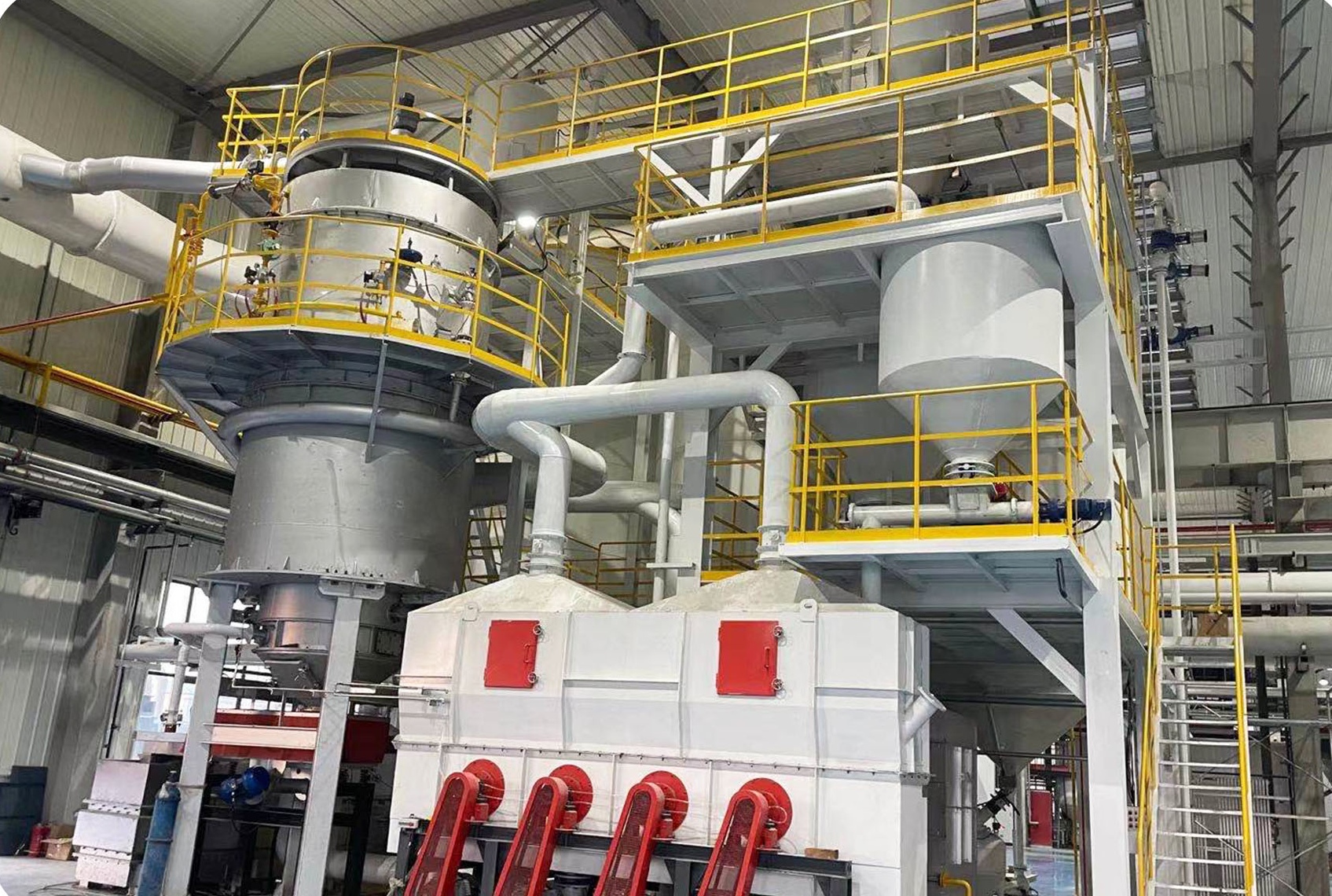
Micro-wet treatment works with grinding and roasting to remove residual material from the sand surface and prepare the sand for reuse.
Micro-wet treatment requires water addition of 3–5% of the waste sand mass, equivalent to approximately 30–50 litres per tonne of waste sand. This refers to the micro-wet treatment stage.
*Reclamation yield varies with incoming sand and operating conditions.
SAMPLE RESULTS
Lower residual contamination is part of making sand useful again.
These paired sample results show changes in moisture, fines, loss on ignition and conductivity following treatment.
Grading / AFS can be adjusted to requirements.
| Indicator | Waste sand | Reclaimed |
|---|---|---|
| Moisture (%) | 0.38 | 0.02 |
| Fines (%) | 1.65 | 0.03 |
| Loss on ignition (%) | 0.63 | 0.13 |
| Conductivity (μS/cm) | 4,190 | 360 |
| pH | 11.08 | 10.34 |
Paired sample results. Performance depends on incoming sand and process conditions.
REUSE VALUE
Evaluate how much purchased sand can be replaced in the intended application.
Assess the reduction in waste sand sent off site and the related handling and transport costs.
Confirm reclaimed-sand quality and the required reuse proportion through core making and casting trials.
Reclamation yield and the percentage of reclaimed sand used in a core sand mix are different measures.
Explore the inorganic binder systemTALK TO LANCO